WELCOME TO MISRIYATI
Peace Education & Theatre for Social Change
Creating spaces to explore conflict, difference and our possibilities for change.
Since 2004, Misriyati has worked at the intersection of peace education, conflict transformation, participatory theatre and creative learning.
We work with people, groups and communities to explore difference, engage with conflict, strengthen relationships and develop the capacities needed for dialogue, solidarity, coexistence and nonviolent change.
Our work brings together knowledge and practice. We design and facilitate learning experiences, programmes and processes that begin with people's lived experiences and create opportunities to question, experiment, imagine and act.
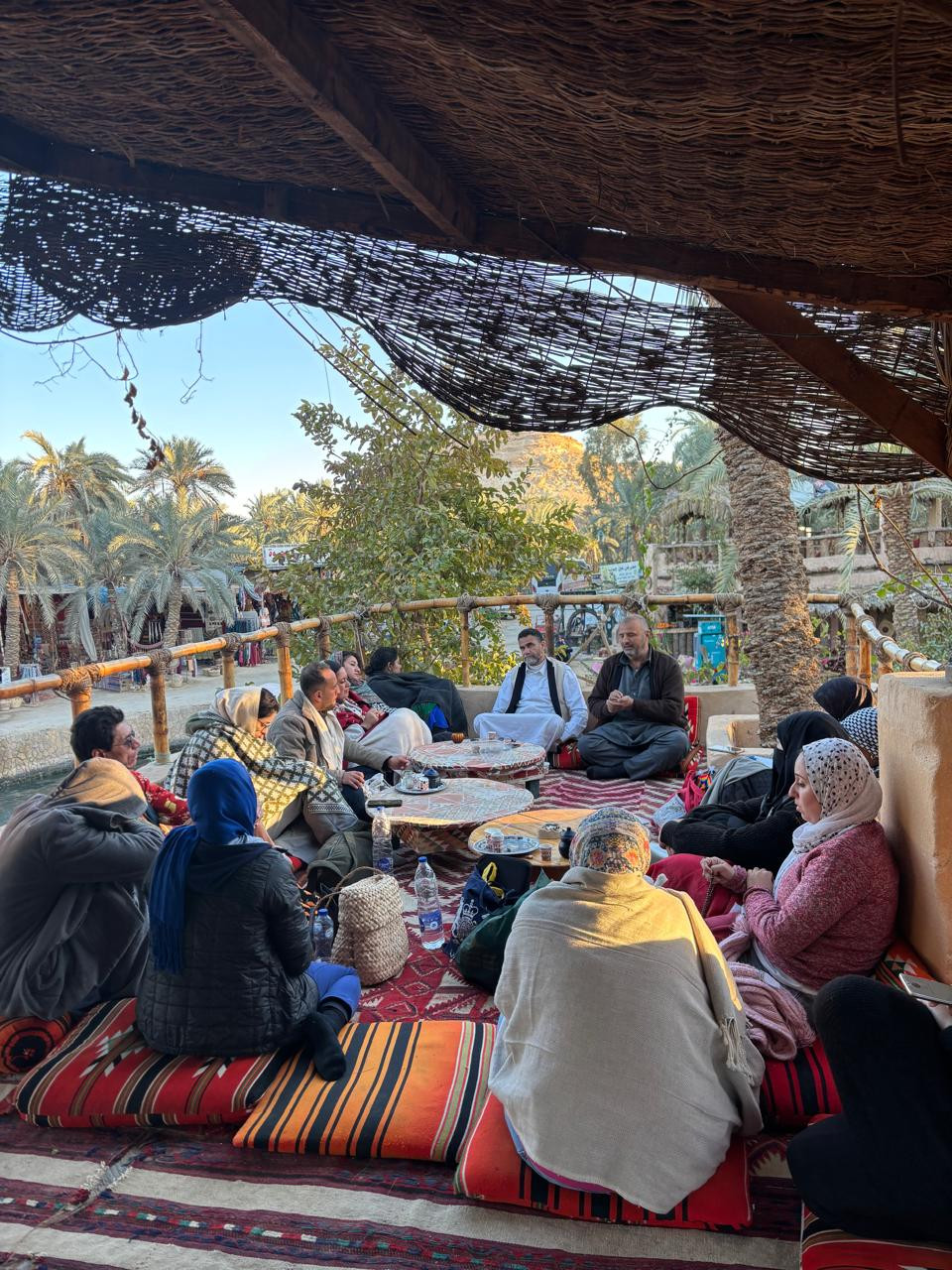
We believe learning is most meaningful when people are active participants in the process. Through dialogue, theatre, storytelling, reflection and experiential activities, we create spaces where knowledge and experience can be shared, questioned and co-created.
Since 2004, Misriyati has developed and delivered participatory approaches to peace education, conflict transformation and social change. Our work has grown through partnerships with communities, young people, civil society organisations and institutions, combining theatre, dialogue and experiential learning to create spaces for reflection, connection and collective action.
+20 (0) 1000771183


We create learning spaces, support groups through conflict, and build the skills and capacities needed for more peaceful, inclusive and collaborative communities.

We design and facilitate participatory workshops, camps and learning programmes for schools, educational instituti...
Learn more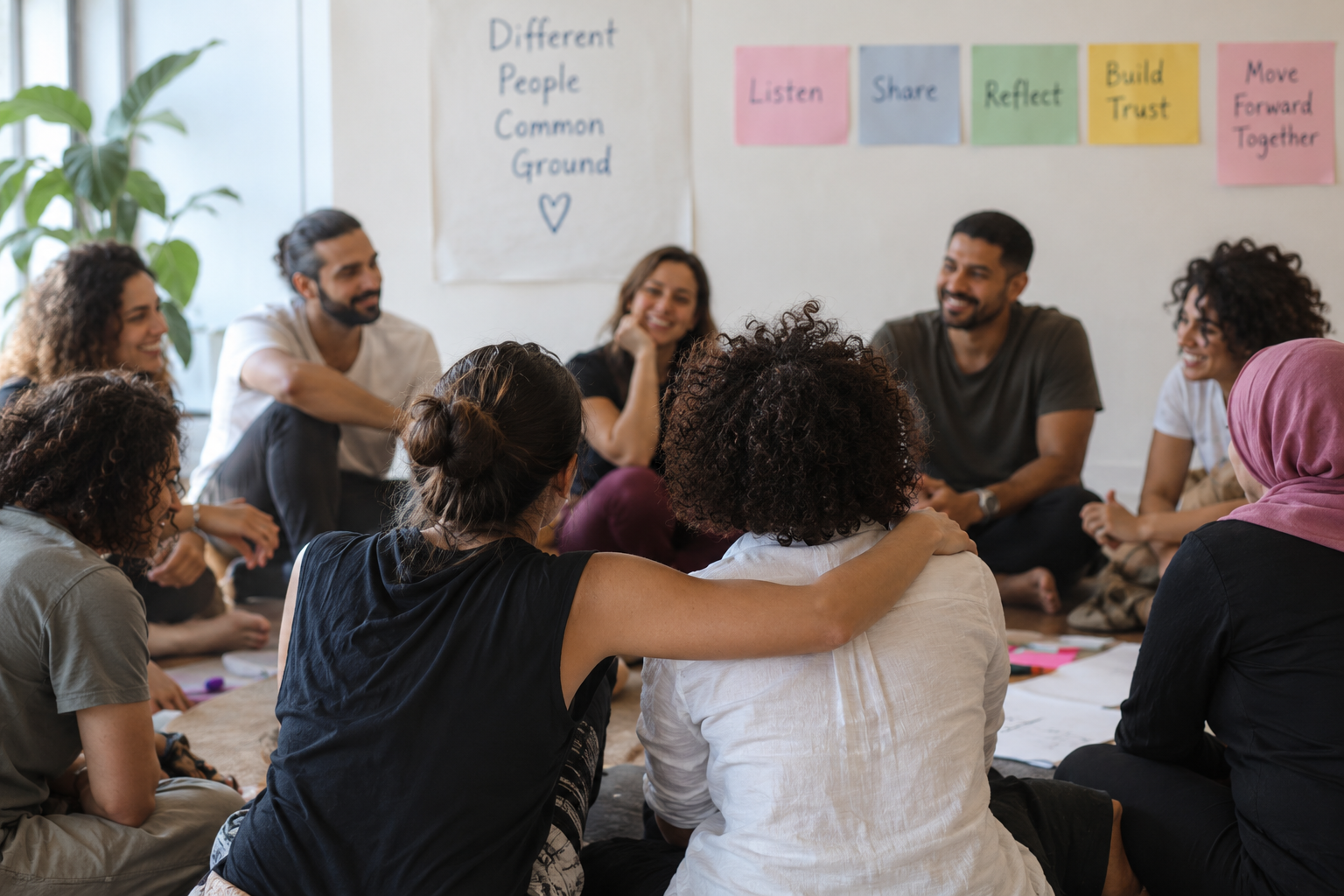
We support teams and groups in strengthening their relationships and ways of working together. We create spaces for...
Learn more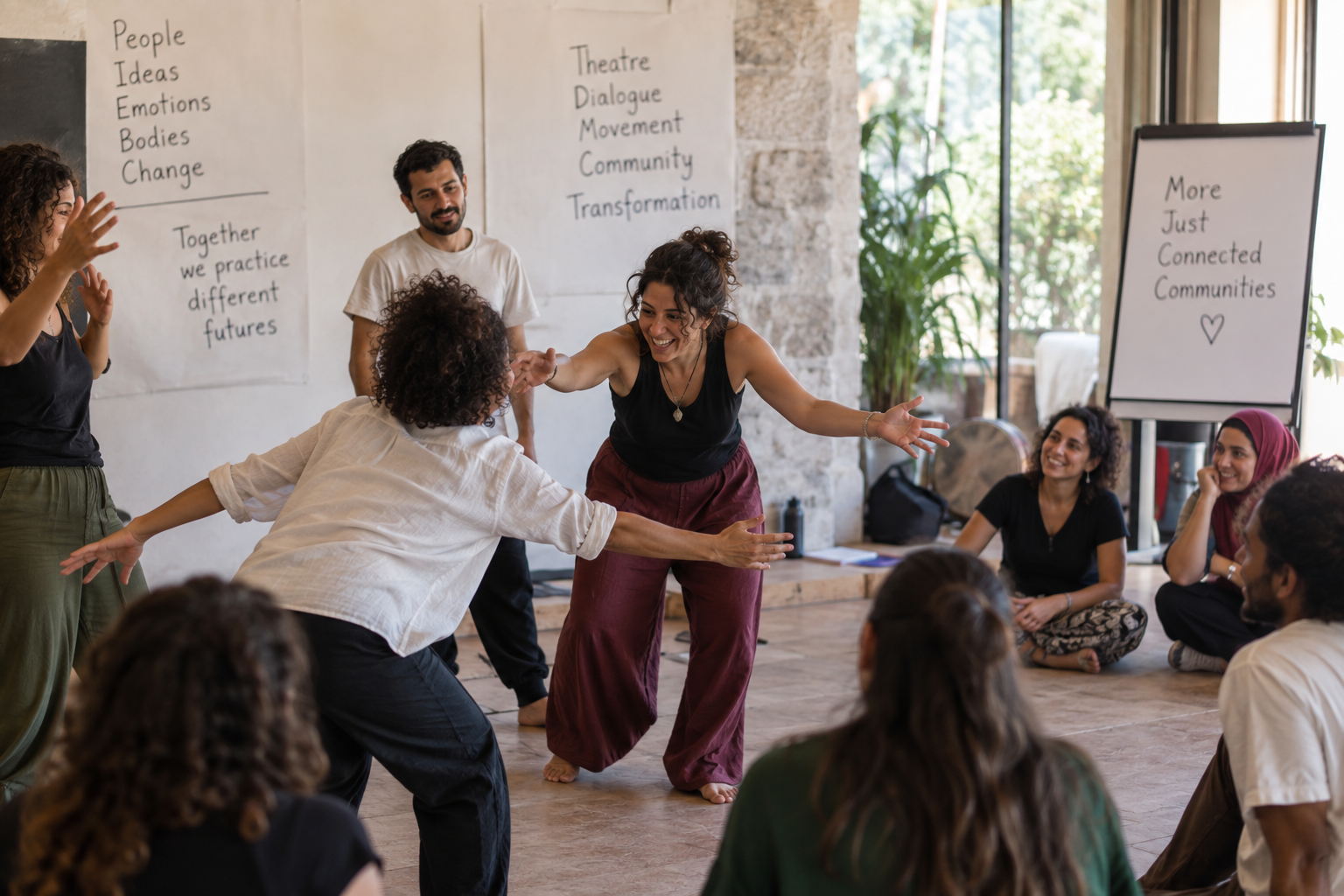
We provide training and capacity-building for individuals, teams, groups and organisations seeking to develop thei...
Learn moreWe believe that meaningful social change begins with individual change. We believe in the inherent worth and potential of every person, and in our capacity to learn, grow and contribute.
We see difference as a source of learning and conflict as an opportunity for dialogue and transformation. Through theatre, storytelling, dialogue and participatory learning, people become active participants in creating knowledge, relationships and possibilities.
We celebrate the diversity of people, perspectives, identities and ways of being. We go beyond tolerance to appreciate and learn from the different experiences, journeys and ways of seeing the world that each person brings.
We listen attentively, respect different perspectives and personal choices, value each person’s experience and journey, and create space to question our own assumptions and learn from one another.
In our programmes, we create space for dialogue, debate and individual choice. We do not approach learning through absolute truths or predetermined right and wrong answers; instead, we learn with and from participants, recognising them as active contributors to the learning process.
We believe that violence is not inevitable, and that we can develop different ways of responding to conflict, harm and injustice. Nonviolence is not simply the absence of violence; it is an active practice of transforming conflict while protecting human dignity and relationships.
We seek to understand the roots and dynamics of conflict rather than respond only to its visible manifestations. We value dialogue, listening, empathy and constructive engagement, and we explore ways of addressing harm without reproducing violence.
In our work, we create spaces where people can question assumptions, express difficult experiences, encounter different perspectives and experiment with alternative ways of responding to conflict.
We believe that solidarity cannot stop at those who are like us, share our identities or belong to our communities. True solidarity asks us to reach across differences and affiliations, to listen to and empathise with experiences that may be very different from our own, and to recognise the humanity and dignity of others.
We believe solidarity requires us to question the boundaries between “us” and “them” and to recognise how power, privilege and inequality shape our experiences and our relationships. It calls us to take responsibility not only for our own communities, but for the kind of society we create together.
In our work, we seek to build relationships across divides and create possibilities for people to stand with one another, even when they do not share the same identity, history, beliefs or interests. We see solidarity as a practice of social justice: moving from separation towards connection, from suspicion towards partnership, and from seeing the other as an opponent towards recognising what we can create together.
We believe that imagination is essential to creating change. What we are able to imagine shapes what we believe is possible — and oppression can limit not only our choices, but also our ability to imagine ourselves, our relationships and our societies differently.
We use theatre, storytelling, play and other creative practices to reclaim our capacity to imagine, create and express. We create spaces where people can experiment with different ways of seeing, being and relating, and where possibilities that may have seemed impossible can become thinkable, visible and tangible.
Inspired by Theatre of the Oppressed, we see people not simply as spectators or recipients of knowledge, but as creators and protagonists in their own stories and in the worlds they inhabit. Creativity allows us to question what is taken for granted, challenge oppressive ways of seeing and imagining, and rehearse different possibilities for ourselves and our communities.
We believe that freedom is essential to human dignity, agency and learning. Education can either reproduce existing ways of thinking and relating, or become a practice of freedom — creating space for people to think critically, question what is taken for granted and participate in shaping their own realities.
We encourage people to be free thinkers and free actors: to express their opinions and needs, including ideas that may be controversial or different from our own; to question, make choices and take responsibility for their actions. We believe that dialogue, reflection and the freedom to ask questions are essential to meaningful learning.
We do not see people as passive recipients of knowledge or solutions. We recognise the knowledge and experience they already hold and create opportunities for them to become active participants in shaping the learning process and making meaning from their own experiences.
In our programmes, participation is voluntary, we do not rely on punishment or sanctions, and we create space for personal reflection throughout the learning process. We seek to create an atmosphere in which people can develop their own voices, exercise agency and explore their capacity to act and transform the realities around them.
Our approach is participatory, experiential and creative. We use theatre, storytelling, dialogue, games, reflection and other creative practices to connect learning with lived experience.
We work with people rather than for them, recognising the knowledge, experience and creativity they already bring. Our programmes are adapted to the people, communities and contexts we work with, and developed through listening, collaboration and reflection.

We believe that meaningful learning starts from life itself — from what people experience, know, feel and encounter in their everyday lives. Rather than starting with abstract concepts or predetermined answers, we invite learners to begin with their own reality and personal experience.
The facilitator helps participants explore questions such as: Where are we starting from? What are we noticing in our lives? What are we experiencing, remembering or questioning? And where do we want to arrive? What has changed for us, what have we understood differently, or what might we now choose to do?
We see learning as a process of movement: becoming more aware, expressing what we think and experience, opening ourselves to new perspectives and possibilities, and making choices about what we want to change, explore or commit to.
In this way, learning is not simply about acquiring knowledge. It is about creating new awareness and connecting that awareness to our lives, relationships and possibilities for action.
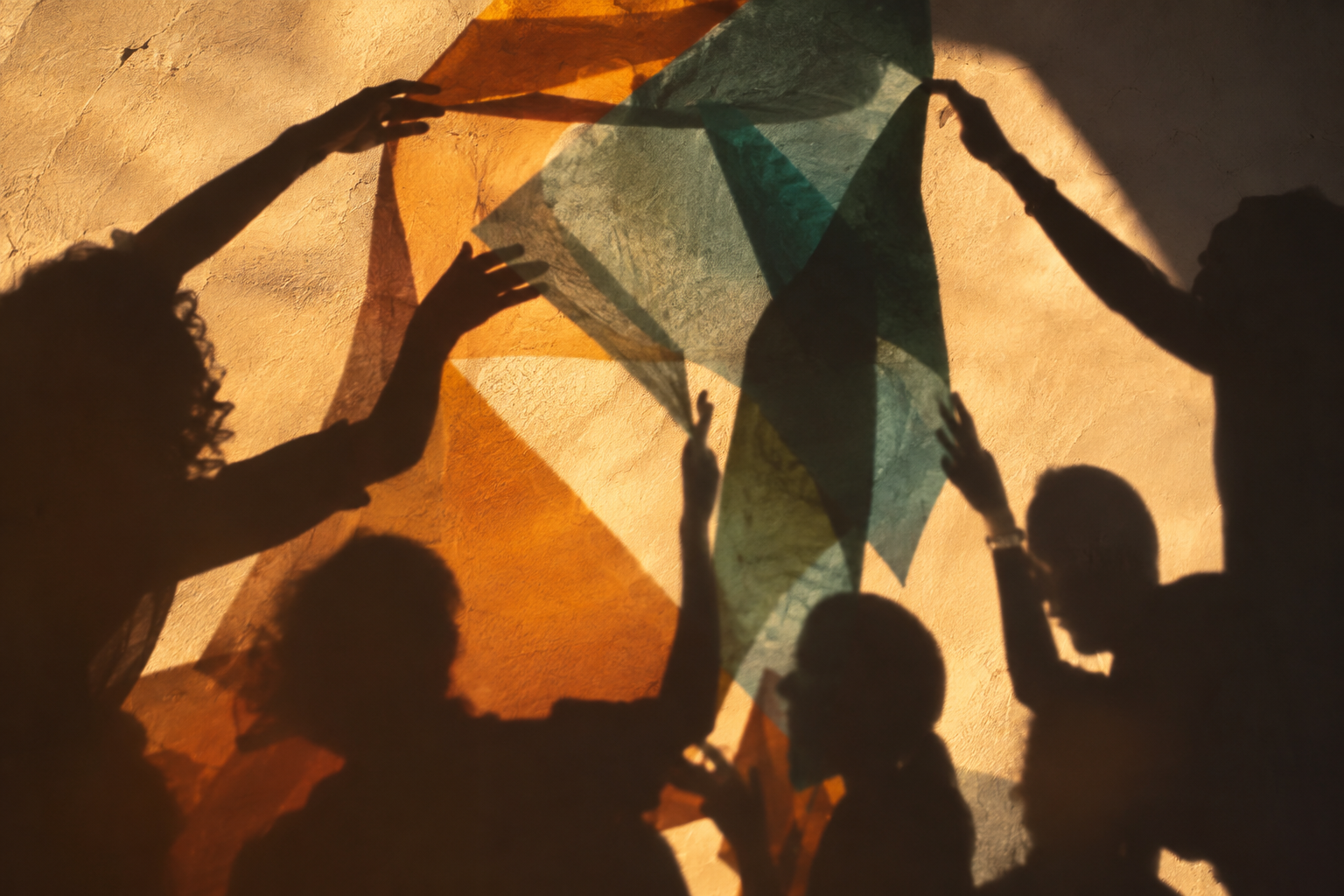
We believe that people learn through experience, participation and experimentation. Learning becomes deeper when people can try things out, make mistakes, ask questions and discover their own understanding rather than simply receive information.
We use games, movement, theatre, storytelling, simulation, creative exercises and other participatory practices to make learning active and connected to experience. These processes allow participants to explore ideas, relationships and conflicts from different perspectives and to discover possibilities through doing.
We create learning spaces where there is room for curiosity, play and experimentation, while connecting the experience back to reflection and everyday life. For us, creativity is not an additional activity; it is a way of opening up new ways of thinking, learning and responding.

We see theatre as a process of reconnecting people with their innate capacity to imagine, create, express and connect. We believe creativity is not something reserved for artists; it is a human capacity that we all possess, but that can become constrained by the ways we are taught to think, behave and relate.
Through play, movement, storytelling, improvisation, performance and witnessing, we create spaces where people can loosen familiar patterns, explore different perspectives and rediscover their own creative possibilities. The process invites people to experiment rather than seek the “right” answer, and to experience themselves and others in new ways.
Drawing on Theatre of the Oppressed, Playback Theatre and other participatory theatre practices, we use theatre to bring people into relationship with one another. Stories, experiences and ideas can be shared, witnessed and transformed into collective exploration. In this process, people become not only participants, but creators of stories, knowledge and possibilities for how they might live and act together.
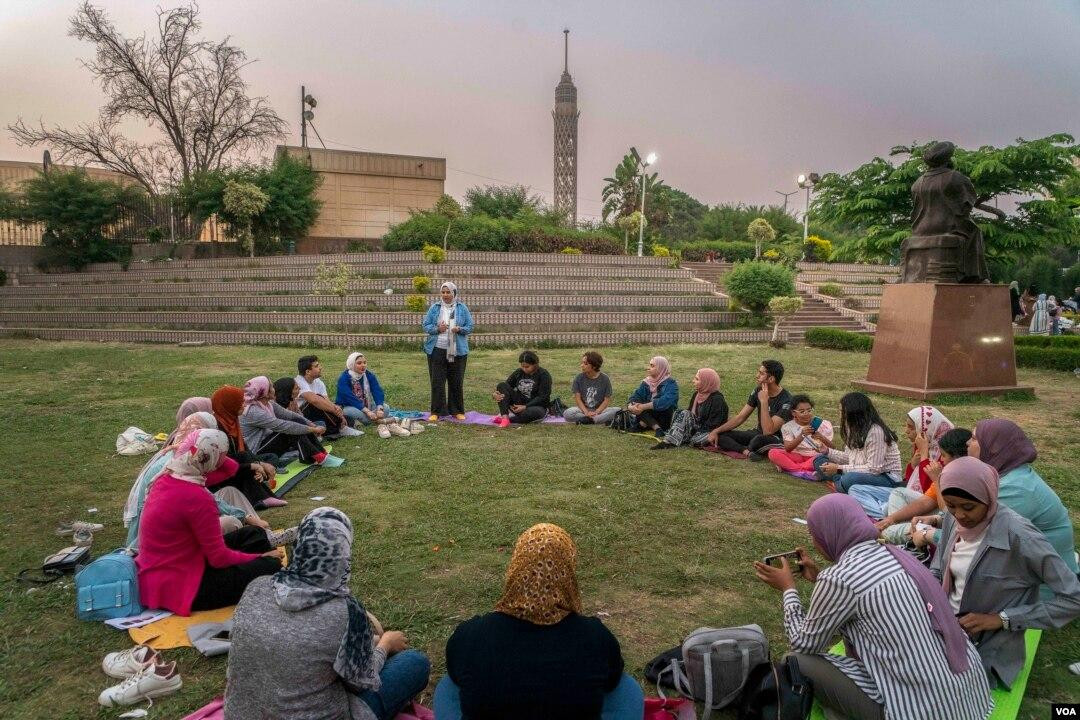
We create spaces where people can slow down, listen deeply and reflect on their experiences, assumptions and ways of seeing. We believe meaningful dialogue is more than exchanging opinions; it is an opportunity to encounter another perspective, question our own thinking and discover new possibilities.
Through dialogue, storytelling, questioning and reflection, participants are invited to bring their own experiences into the conversation while remaining open to experiences that are different from their own. We do not seek to eliminate disagreement, but to create the conditions for people to stay in relationship while exploring difficult questions and differences.
Reflection allows experience to become learning. We encourage participants to notice what they are discovering, what is shifting for them, and what they might choose to carry into their lives, relationships and communities.
Explore stories from our work, reflections from our practice, and updates from the communities, programmes and learning spaces we create together.
Empowering women as peacebuilders and agents of change The focus is on strengthening women’s agency, leadership and participation in peacebuilding, rather than treating women only as beneficiaries. It can include: Women’s leadership and participation in peace processes Peace educat...
Qualifying and developing peacebuilders and peace educators The SANAD Peace Academy seeks to qualify a new generation of peacebuilders and peace educators through high-quality, context-responsive learning in Arabic, delivered by experts from Egypt, the MENA region and internationally. The...
SAWA is Misriyati’s participatory theatre programme, using Theatre of the Oppressed, Forum Theatre, Playback Theatre, storytelling and creative practices to create spaces for dialogue, solidarity and collective action. Building on Misriyati’s work with Egyptian and Sudanese youth in Asw...
Education for Coexistence is Misriyati’s programme for developing educational practices that help children and young people understand difference, engage with others and build the skills needed to live together. The programme builds on Misriyati’s long-standing work with teachers,...
Mediation & Reconciliation Working with conflict, repairing relationships and rebuilding trust Mediation & Reconciliation is Misriyati’s programme for working with conflict, harm and damaged relationships within communities, organisations and groups. We support individuals a...
FAQ
Misriyati works in peace education, conflict transformation and creative learning. We design and facilitate learning experiences, programmes and processes that help people and groups engage with difference, transform conflict, strengthen relationships and imagine new possibilities for change.
We work with civil society organisations, educational institutions, communities, youth groups, organisations and networks, as well as individuals working in peacebuilding and related fields.
We combine peace education and conflict transformation with participatory and creative practices. Theatre, storytelling, dialogue, experiential learning and other creative approaches are used not simply as techniques, but as ways of learning, connecting and exploring complex issues together.
Yes. We design programmes and learning experiences around the needs, context and objectives of each group. This can include training, facilitation, retreats, team and group processes, conflict intervention, mediation, or longer-term programmes.
Yes. Through programmes such as SANAD — Peace Academy, we offer specialised and longer-term learning opportunities for people working in peacebuilding and peace education, combining knowledge with practical and experiential learning.
You can contact us to discuss a training, workshop, facilitation process, research project, mediation or other collaboration. We can explore your needs together and design an appropriate process.
You can contact us to discuss a training, workshop, facilitation process, research project, mediation or other collaboration. We can explore your needs together and design an appropriate process.
Over the years, our work has been shaped through collaboration with organisations, educators, community groups and practitioners. Here are some reflections from partners who have experienced our work.
Since 2013, Catholic Relief Services has worked with Misriyati on a range of learning and peacebuilding initiatives. Misriyati has demonstrated strong expertise in designing and facilitating participatory learning processes, training and supporting facilitators, and working with groups around communication, peacebuilding, conflict management, mediation and cross-cultural dialogue. Their ability to create meaningful learning spaces and adapt their approach to different contexts has made them a valued partner in our work.
Partner Organisation

Misriyati has worked with El Sadat Association since 2012 on communication and conflict-resolution workshops, diversity education for public-school teachers, curriculum development and Training of Trainers. We have particularly valued their ability to create safe learning environments and use creative approaches that foster meaningful learning.
Partner Organisation

Misriyati partnered with the Danish Youth Council and its local partners in Egypt on programmes focused on dialogue, co-creation, conflict resolution and collaboration across diversity. Their work included designing and delivering training, accompanying staff and youth, and developing dialogue exercises and learning materials. Misriyati demonstrated strong expertise in conflict management, dialogue, diversity management, mediation and building a culture of peace, with the ability to work constructively and sensitively with people from diverse backgrounds.
Partner Organisation
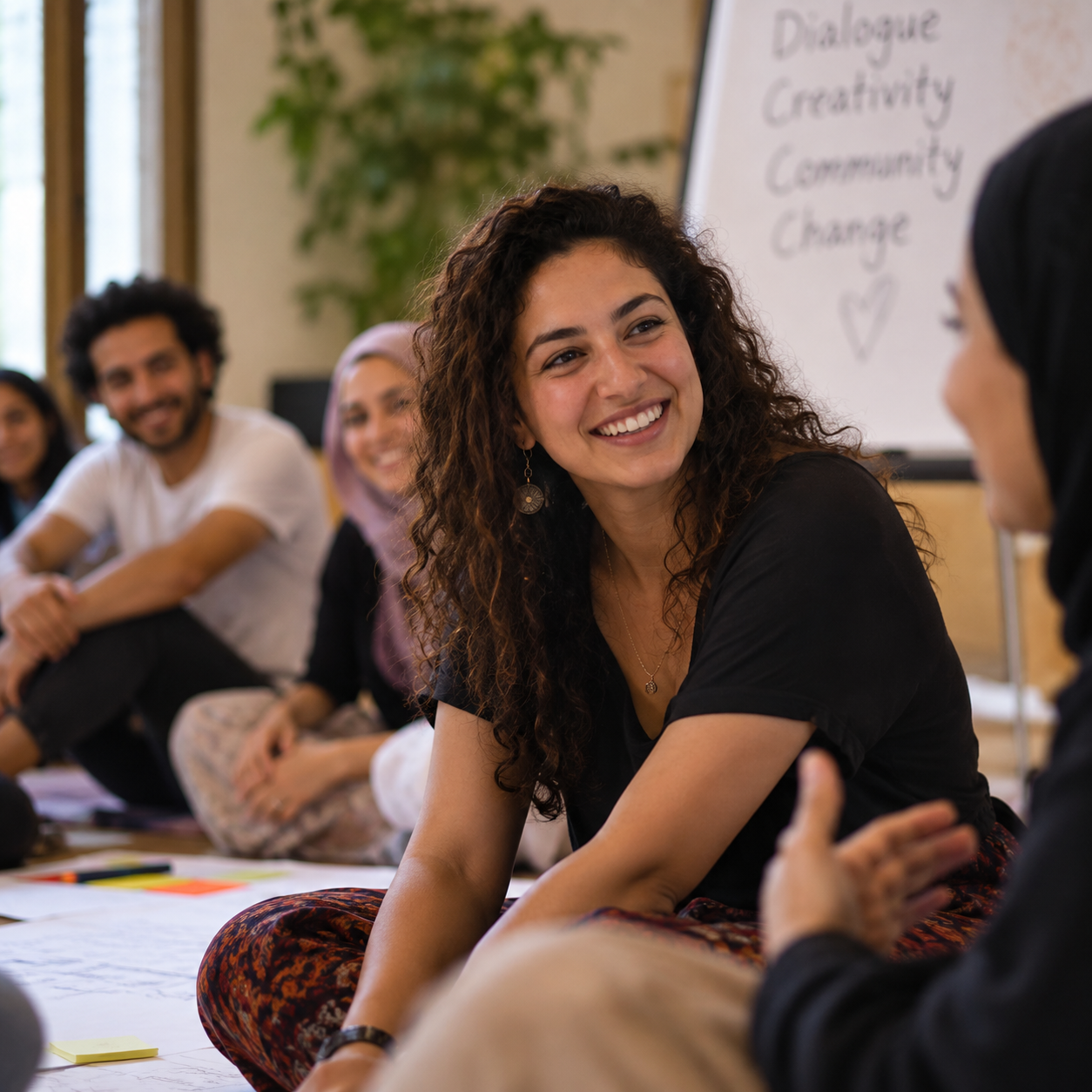
I loved the opportunity to meet a group of Egyptians who were so diverse in their backgrounds and perspectives. It was fascinating to discover how differently we understood peace and conflict resolution, even though we were all engaging with the same questions.
I also appreciated that no two learning sessions were the same. Reflections, object discussions, simulations, challenges and brainstorming kept the experience dynamic, engaging and exciting.
The conversations I had through Misriyati continued beyond the workshop and empowered me to keep exploring questions of peace and conflict resolution with friends and colleagues. They also influenced my later academic work in education and conflict resolution.
What made the experience particularly meaningful was the opportunity to go deeper into each other's perspectives. I hope more young people have the opportunity to engage in similar conversations and explore the possibility of creating change through dialogue, diversity and collective action.
Education & Peacebuilding

We bring out the respect deep within each of us for each other, for creatures and things around us.